Elephanta Caves :
Located on Elephanta Island in Mumbai Harbour, Maharashtra, the Elephanta Caves are among India's most fascinating historical attractions. Famous for their ancient rock-cut temples and remarkable sculptures dedicated primarily to Lord Shiva, these caves offer a glimpse into India's rich artistic, cultural, and religious heritage.
Surrounded by the waters of the Arabian Sea and reached by ferry from Mumbai, Elephanta Caves make an excellent day trip for history enthusiasts, architecture lovers, photographers, and travellers exploring the city.
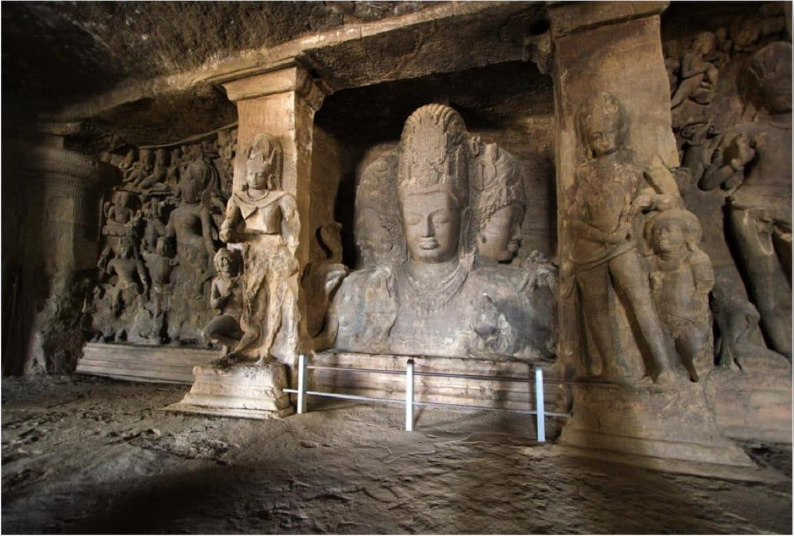
The cave complex is a UNESCO World Heritage Site, celebrated for its monumental sculptures and sophisticated rock-cut architecture. Its most famous artwork, the three-faced Shiva sculpture known as Maheshmurti, is one of the most remarkable examples of early medieval Indian art.
If you are planning a visit, this guide covers the history, major attractions, ferry journey, tickets, best time to visit, and practical travel tips.
Where Are Elephanta Caves Located?
Elephanta Caves are situated on Elephanta Island, also known as Gharapuri, in Mumbai Harbour, Maharashtra, India. The island lies east of Mumbai and is accessible primarily by ferry from the Gateway of India.
The cave complex is located on a forested hillside on the island. Visitors typically arrive at the island's jetty and continue on foot along a pathway and steps to reach the main cave area.
Location: Elephanta Island, Mumbai Harbour, Maharashtra, India
Nearest major city: Mumbai
Usual ferry departure point: Gateway of India
Nearest major railway hubs: Chhatrapati Shivaji Maharaj Terminus and Churchgate, depending on your route
Nearest major airport: Chhatrapati Shivaji Maharaj International Airport, Mumbai
History of Elephanta Caves
The Elephanta Caves were developed mainly between the fifth and eighth centuries CE, although their precise chronology and patronage remain subjects of historical study.
The complex consists of rock-cut caves containing shrines, pillars, halls, and sculptures. The principal cave is dedicated to Lord Shiva and reflects the importance of Shaivism in the religious and artistic traditions of the period.
The island received the name Elephanta from Portuguese visitors, reportedly because of a large stone elephant sculpture they encountered there. The sculpture was later moved and is now associated with the Dr. Bhau Daji Lad Museum in Mumbai.
Over the centuries, the caves experienced damage and deterioration, but their major sculptures remain powerful examples of India's rock-cut artistic traditions.
Today, Elephanta Caves are protected as an important heritage site and recognized internationally for their outstanding cultural significance.
Religious Significance of Elephanta Caves
Elephanta Caves are primarily associated with Lord Shiva and contain several important representations of the Hindu deity.
The sculptures illustrate different aspects of Shiva's divine nature, including creation, preservation, destruction, meditation, and cosmic power. The monumental scale of the artwork reflects the skill of the sculptors and the religious importance of the site.
Although the caves are a major historical attraction, they also remain a place of cultural and spiritual interest for many visitors.
Major Attractions at Elephanta Caves
1. Maheshmurti — The Three-Faced Shiva
The Maheshmurti sculpture is the most celebrated artwork at Elephanta Caves. Carved into the rock inside the main cave, this monumental representation of Shiva displays three prominent faces.
The sculpture is commonly interpreted as representing different aspects of Shiva's divine character. Its serene expression, detailed features, and impressive scale make it the highlight of the complex.
Visitors often spend considerable time observing the sculpture and the surrounding carved panels.
2. Shiva Nataraja
One of the notable sculptural panels depicts Shiva in his cosmic dance form, Nataraja. This representation is associated with the rhythm of creation and destruction in Hindu philosophy.
The panel demonstrates the artistic imagination and sculptural skill of the artisans who worked on the cave.
3. Ardhanarishvara
The Ardhanarishvara sculpture portrays Shiva and Goddess Parvati as a unified divine form, combining masculine and feminine aspects.
The image is associated with the complementary nature of the two principles and is an important feature of the cave's religious iconography.
4. Gangadhara Panel
The Gangadhara panel depicts the descent of the sacred River Ganga to Earth, a story associated with Lord Shiva.
Its intricate composition and narrative detail make it one of the important sculptural highlights for visitors interested in Hindu mythology.
5. Main Cave Hall
The principal cave features a large pillared hall, shrines, and sculpted panels. The arrangement of pillars and carved figures creates an impressive architectural space within the natural rock.
Take time to explore the cave carefully, while following conservation instructions and avoiding contact with the sculptures.
6. Other Cave Groups
Beyond the principal cave, the island contains additional caves and rock-cut spaces. Their condition and accessibility can vary, and some areas are less elaborate than the main shrine.
Visitors should follow designated paths and signs when exploring the wider complex.
Architecture of Elephanta Caves
Elephanta Caves are a remarkable example of rock-cut architecture. Rather than constructing a temple from separate stones, artisans excavated the hillside to create halls, pillars, shrines, and sculptures directly from the natural rock.
The main cave is organized around a pillared hall, with sculptural panels positioned along its interior walls. The scale of the carvings and the arrangement of architectural elements create a monumental atmosphere.
The sculptures combine artistic detail with religious symbolism. Their expressive faces, elaborate ornaments, and dramatic compositions reveal the sophistication of early medieval Indian art.
The complex is especially valuable because it demonstrates how architecture, sculpture, and religious storytelling were brought together in a single rock-cut environment.
Best Time to Visit Elephanta Caves
Elephanta Island can be visited during much of the year, but weather conditions affect ferry operations and walking comfort.
Winter: November to February
Winter is generally a comfortable time to explore Elephanta Caves. The weather in Mumbai is usually more suitable for outdoor sightseeing, and walking around the island can be more pleasant than during the hotter months.
This is a popular tourist season, so arriving early can help you avoid some of the crowds.
Summer: March to May
Summer can be hot and humid. Carry drinking water, wear comfortable clothing, and consider visiting early in the day to reduce exposure to the afternoon heat.
Monsoon: June to September
Monsoon brings heavy rainfall to Mumbai and the surrounding coastline. Ferry services may be suspended or disrupted because of rough sea conditions.
Check current ferry operations and weather advisories before travelling during the rainy season. Do not assume that boats will operate in unsafe conditions.
Best overall recommendation: November to February is often a comfortable period for visiting Elephanta Caves.
Elephanta Caves Ferry: How to Reach the Island
The most common way to reach Elephanta Caves is by ferry from the Gateway of India in South Mumbai.
Step 1: Reach the Gateway of India
Travel to the Gateway of India by local train, taxi, bus, or another suitable transport option. The nearest railway connections depend on where you are staying in Mumbai.
Allow extra time for city traffic and the ferry ticketing process.
Step 2: Take a Ferry to Elephanta Island
Ferries generally operate between the Gateway of India and Elephanta Island during the tourist season, subject to weather and operational conditions.
The boat journey usually takes approximately one hour each way, but actual timings vary by service and sea conditions.
Confirm the day's departure schedule, return service, ticket price, and final return ferry before boarding. Keep your ticket safe and allow enough time to return to the jetty.
Step 3: Walk to the Caves
After arriving on the island, visitors walk from the jetty toward the cave complex. The route includes a pathway and a flight of steps.
A small local train may operate on part of the approach, depending on current arrangements. It does not eliminate all walking or the steps leading to the caves.
Wear comfortable footwear and carry water, especially during hot weather.
Entry Tickets and Visiting Hours
Entry charges, ferry fares, opening hours, and applicable concessions may change. Check the official Archaeological Survey of India information and current ferry ticket arrangements before your visit.
Before travelling, verify:
-
The cave complex's current opening hours and weekly closure day
-
Entry fees for Indian and foreign visitors
-
Ferry departure and return schedules
-
Applicable camera or photography rules
-
Any temporary restrictions caused by weather or conservation work
The ferry fare and the cave entry fee are separate expenses. Budget for both, along with local transport, food, and any optional services.
Suggested One-Day Elephanta Caves Itinerary
Morning: Travel to the Island
-
Reach the Gateway of India early.
-
Purchase your ferry ticket and confirm the return schedule.
-
Enjoy the boat journey across Mumbai Harbour.
-
Walk from the island jetty toward the cave complex.
Late Morning: Explore the Caves
-
Visit the principal cave and admire the Maheshmurti sculpture.
-
Explore the Nataraja, Ardhanarishvara, and Gangadhara panels.
-
Observe the main hall and its carved pillars.
-
Explore other accessible cave areas while following the visitor instructions.
Afternoon: Return to Mumbai
-
Take a break for refreshments if facilities are available.
-
Walk back to the jetty with sufficient time to catch your return ferry.
-
Return to the Gateway of India.
-
If time permits, explore nearby South Mumbai attractions.
This is a suggested schedule. Ferry operations, crowds, heat, and the amount of time spent exploring can affect your return time.
Places to Visit Near Elephanta Caves
1. Gateway of India
The Gateway of India is one of Mumbai's most recognizable landmarks. Located on the waterfront, it is the main departure point for ferries to Elephanta Island.
Visitors can admire its monumental architecture and enjoy views of Mumbai Harbour.
2. Taj Mahal Palace Hotel
Situated close to the Gateway of India, the Taj Mahal Palace is a famous heritage hotel known for its distinctive architecture and long history.
Visitors can admire the exterior from public areas and explore facilities open to visitors, following the property's access policies.
3. Colaba Causeway
Colaba Causeway is a popular shopping street in South Mumbai, known for clothing, accessories, souvenirs, and cafes.
It is a convenient stop for travellers who want to explore the local atmosphere after returning from Elephanta Island.
4. Chhatrapati Shivaji Maharaj Vastu Sangrahalaya
This major museum in Mumbai houses collections relating to art, archaeology, and natural history. It can be an excellent addition for visitors interested in Indian history and culture.
Check the museum's current opening hours and ticket details before visiting.
5. Marine Drive
Marine Drive is a celebrated waterfront promenade in Mumbai, known for its sweeping coastal views and evening atmosphere.
It is farther from the Gateway of India than the nearby Colaba attractions, so allow time for road travel if you plan to include it on the same day.
Food and Facilities on Elephanta Island
Small food stalls and refreshment options may be available around the visitor route, but facilities and opening hours can vary.
Carry drinking water and any essential personal supplies. Avoid leaving waste on the island, and follow instructions concerning food and litter near the protected monuments.
If you have dietary requirements, consider eating before the ferry journey or planning a meal after returning to Mumbai.
Essential Travel Tips for Elephanta Caves
-
Start early: An early ferry gives you more time to explore the caves.
-
Confirm ferry schedules: Check both the departure and return services before travelling.
-
Check weather conditions: Rain and rough seas can disrupt boat services.
-
Wear comfortable footwear: The approach includes walking and steps.
-
Carry water: Mumbai's humidity and the island's exposed areas can make walking tiring.
-
Protect the monuments: Never touch, scratch, or mark the sculptures.
-
Follow photography rules: Respect any restrictions displayed at the site.
-
Keep valuables secure: Take normal precautions in crowded tourist areas and on public transport.
-
Allow extra time: Ferry queues and crowds can affect your schedule.
-
Respect the heritage site: Dispose of waste responsibly and follow visitor instructions.
Visitors with mobility limitations should check current accessibility information before travelling because the approach to the caves includes uneven surfaces and steps.
Frequently Asked Questions About Elephanta Caves
1. Where are Elephanta Caves located?
Elephanta Caves are on Elephanta Island, also known as Gharapuri, in Mumbai Harbour, Maharashtra, India.
2. Why are Elephanta Caves famous?
They are famous for their ancient rock-cut architecture, monumental sculptures of Lord Shiva, and the Maheshmurti sculpture in the main cave.
3. Are Elephanta Caves a UNESCO World Heritage Site?
Yes. Elephanta Caves were inscribed on the UNESCO World Heritage List in 1987 for their cultural and artistic significance.
4. How can I reach Elephanta Caves?
The usual route is to take a ferry from the Gateway of India in South Mumbai to Elephanta Island and then walk to the cave complex.
5. How much time is needed to visit Elephanta Caves?
A half day is often sufficient to explore the caves, but most visitors should allow around four to six hours or more for the return ferry journey, walking, sightseeing, and possible queues.
6. What is the best time to visit Elephanta Caves?
November to February is often comfortable for sightseeing. During the monsoon, ferry services may be affected by rough seas and weather conditions.
7. Is there an entry fee for Elephanta Caves?
Yes, an entry fee generally applies to the cave complex, and ferry tickets are usually a separate expense. Check current official rates before visiting.
8. Is Elephanta Caves suitable for children and older adults?
Many visitors travel with families, but the route includes walking and steps. Consider the weather, individual mobility, and available facilities before planning the visit.