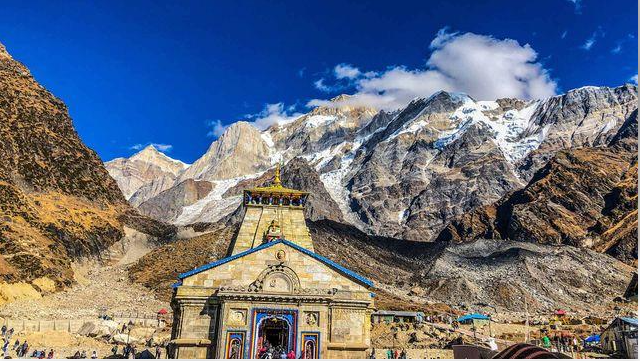
Nestled in the majestic Garhwal Himalayas of Uttarakhand, Kedarnath Temple is one of India's most revered pilgrimage destinations. Surrounded by towering snow-covered mountains and breathtaking Himalayan scenery, this ancient temple attracts devotees, trekkers, and nature lovers from across the country.
Dedicated to Lord Shiva, Kedarnath is one of the twelve Jyotirlingas and an important part of the Char Dham pilgrimage in Uttarakhand. Its remote location, spiritual atmosphere, and dramatic mountain setting make the journey both a religious experience and a remarkable Himalayan adventure.
Whether you are planning a family pilgrimage or a personal spiritual journey, this guide covers everything you need to know before visiting Kedarnath Temple.
Where Is Kedarnath Temple Located?
Kedarnath Temple is situated in the Rudraprayag district of Uttarakhand, India, at an altitude of approximately 3,583 metres (11,755 feet) above sea level.
The temple stands near the Mandakini River and is surrounded by the spectacular peaks of the Himalayas. Since it is located in a high-altitude mountain region without direct road access to the temple itself, pilgrims must travel to Gaurikund and continue on foot or use an authorized alternative transport service when available.
Location: Kedarnath, Rudraprayag district, Uttarakhand, India
Nearest road-access point for the traditional trek: Gaurikund
Nearest major railway stations: Haridwar and Rishikesh
Nearest major airport: Jolly Grant Airport, Dehradun
Religious Significance of Kedarnath Temple
Kedarnath holds a special place in Hindu tradition. It is one of the twelve Jyotirlingas, which are sacred shrines associated with Lord Shiva, and one of the four pilgrimage sites in Uttarakhand's Char Dham circuit.
According to a popular legend, the Pandavas sought Lord Shiva's blessings after the Kurukshetra war. Shiva is believed to have appeared in the form of a bull, and the sacred traditions associated with this story connect Kedarnath with other temples in the Panch Kedar region.
The temple's stone architecture, ancient traditions, and spectacular natural surroundings create a deeply moving atmosphere for visitors. For many pilgrims, reaching Kedarnath is not simply a journey through the mountains but an expression of faith, devotion, and perseverance.
Architecture of Kedarnath Temple
Kedarnath Temple is known for its imposing stone structure and traditional Himalayan temple architecture. Built using massive stone slabs, the temple has a sturdy appearance suited to its rugged mountain environment.
The main shrine houses the sacred representation of Lord Shiva worshipped by devotees. The stone walls, carved details, and mountainous backdrop give the temple a distinctive character.
The temple's location makes its architecture especially remarkable. Standing against the dramatic Himalayan landscape, it has become one of the most recognizable spiritual landmarks in northern India.
Best Time to Visit Kedarnath Temple
Kedarnath is a seasonal pilgrimage destination because of heavy snowfall, freezing temperatures, and difficult weather conditions during winter.
The temple generally opens during the spring or early summer and closes before winter sets in. The exact opening and closing dates vary each year according to the temple calendar and official announcements.
Summer: May to June
Summer is a popular period for visiting Kedarnath. Conditions are generally more suitable for trekking than during the colder months, although temperatures can still be low, especially in the morning and evening.
This period attracts large numbers of pilgrims, so accommodation and transport should be planned well in advance.
Monsoon: July to August
Monsoon brings rain, slippery trails, landslide risks, and possible road disruptions in the Himalayan region. Travel can become unpredictable during this period.
Check official weather alerts and local travel advisories before starting your journey. Avoid proceeding if authorities advise against travel.
Autumn: September to October
Autumn can offer clear mountain views and cool weather, making it an attractive period for pilgrimage. However, temperatures drop considerably as the season progresses, and the temple's scheduled closing date must be considered.
Travel tip: Confirm the official temple opening dates, registration requirements, weather forecast, and route status before booking your trip.
How to Reach Kedarnath Temple
Reaching Kedarnath involves travelling through Uttarakhand's mountain roads before continuing to the temple by the traditional trekking route or an officially permitted alternative.
By Air
The nearest major airport is Jolly Grant Airport in Dehradun. From there, travellers can arrange road transport toward Rishikesh, Rudraprayag, Guptkashi, Sonprayag, and Gaurikund, depending on the route and current road conditions.
Helicopter services may operate during the pilgrimage season from designated helipads, subject to weather, official permissions, and availability. Book only through authorized channels and follow the current rules for passenger reporting and baggage.
By Train
Haridwar and Rishikesh are commonly used railway gateways for Kedarnath pilgrims. From either location, travellers can continue by road toward the Kedarnath route.
Train schedules and onward transport availability should be checked before departure, especially during peak pilgrimage dates.
By Road
Pilgrims commonly travel through Rishikesh, Devprayag, Srinagar, Rudraprayag, Guptkashi, and Sonprayag before proceeding toward Gaurikund. The exact route and travel time depend on road conditions, traffic restrictions, weather, and local administration instructions.
Public buses, shared vehicles, taxis, and private vehicles may be available on different sections of the route. During busy periods, traffic controls and parking arrangements can affect the journey.
Kedarnath Trek: Route and Important Information
The traditional trek to Kedarnath begins at Gaurikund and follows a mountain route of approximately 16–18 kilometres one way, depending on the route and official measurements in use.
The trail includes steep sections, uneven surfaces, exposed mountain weather, and considerable altitude gain. Walking time varies widely with fitness, weather, crowd levels, and rest breaks.
Before Starting the Trek
-
Complete any mandatory pilgrimage registration and health-related formalities.
-
Check the official route status and weather forecast.
-
Start early and allow enough time to reach your accommodation or return safely.
-
Carry water, energy-rich snacks, warm layers, rain protection, and suitable trekking shoes.
-
Keep essential medicines and identification documents accessible.
-
Take regular breaks and avoid rushing, particularly at high altitude.
-
Follow instructions from police, medical teams, and local authorities.
Ponies, palanquins, and other authorized services may be available on designated sections, subject to official arrangements and operating conditions. Confirm current rates and availability locally. Do not assume that any service will operate in bad weather.
Important: The trek can be physically demanding. Anyone with medical concerns, limited mobility, or symptoms of altitude illness should seek professional medical advice before travelling. Severe breathlessness, confusion, difficulty walking, or worsening symptoms require urgent assistance.
Kedarnath Temple Darshan and Registration
Pilgrims should check the current official arrangements before travelling. Registration, identity documents, health screening, darshan procedures, and crowd-management rules can change from season to season.
Keep your registration confirmation and identification documents readily available. During busy periods, waiting times may be long, so allow flexibility in your schedule.
Temple timings and daily rituals may vary according to the season and official temple schedule. Check the latest announcements before setting out rather than relying on timings published in older travel guides.
Photography and mobile phone use may be restricted in certain areas. Follow the instructions displayed at the temple and respect the sanctity of the shrine.
Places to Visit Near Kedarnath Temple
The Kedarnath region has several religious and natural attractions. Access to each location depends on weather, trail conditions, and local permissions.
1. Bhairavnath Temple
Located on a hill near Kedarnath, Bhairavnath Temple is associated with Bhairava, a form of Lord Shiva. Pilgrims often visit this shrine during their stay when the route is open and conditions permit.
2. Gandhi Sarovar
Gandhi Sarovar, also known as Chorabari Tal, is a high-altitude lake in the Kedarnath region. The walk to the area can be challenging, and access may be restricted because of weather, trail safety, or local conditions. Check with local authorities before planning a visit.
3. Triyuginarayan Temple
Triyuginarayan Temple is a revered shrine in the wider Garhwal region, traditionally associated with the divine wedding of Lord Shiva and Goddess Parvati. It can be considered as an additional excursion if road conditions and your itinerary allow.
4. Guptkashi
Guptkashi is an important stop on the Kedarnath pilgrimage route. Travellers may visit the Vishwanath Temple and explore the town before continuing toward Sonprayag and Gaurikund.
5. Ukhimath
Ukhimath is a religious town in the Rudraprayag region. It has a connection with the winter worship traditions of Kedarnath, when the deity's ceremonial representation is brought to a winter seat according to temple customs.
Suggested 3-Day Kedarnath Itinerary
Day 1: Reach the Kedarnath Route
-
Arrive at Rishikesh or Haridwar.
-
Travel by road toward Guptkashi, Sonprayag, or another permitted overnight stop.
-
Check registration details, transport arrangements, and weather updates.
-
Rest properly before the trek.
Day 2: Trek to Kedarnath and Darshan
-
Start early for Gaurikund, following the current transport instructions.
-
Begin the trek after completing required checks.
-
Take regular breaks and maintain a comfortable pace.
-
Reach Kedarnath and complete darshan according to the current temple arrangements.
-
Stay at authorized accommodation, subject to availability and local rules.
Day 3: Return Journey
-
Begin the descent early, allowing sufficient time for the return trek.
-
Reach Gaurikund and continue toward your road transport connection.
-
Travel to your onward destination or stay overnight if required.
This is a sample itinerary. Add an extra day or more if you are travelling with children, older adults, a large group, or anyone who may need a slower pace. Weather disruptions can also require additional time.
Accommodation Near Kedarnath
Accommodation options vary between the temple area and towns along the pilgrimage route.
-
Kedarnath area: Seasonal guesthouses, camps, and other authorized accommodation may operate depending on availability and official arrangements.
-
Guptkashi and nearby towns: Hotels, guesthouses, and homestays can provide a more comfortable base before or after the trek.
-
Sonprayag and surrounding areas: Lodging options may be useful for travellers preparing to continue toward Gaurikund.
Book early during peak pilgrimage dates. Confirm the property's exact location, cancellation policy, facilities, heating arrangements, and accessibility. Availability can be limited during adverse weather or periods of heavy demand.
Food and Facilities
Basic food and refreshment options may be available along parts of the pilgrimage route and near Kedarnath during the operating season. Facilities can be limited, and services may change with weather and crowd conditions.
Carry enough water and suitable snacks for the trek, while avoiding unnecessary weight. Do not depend on every facility being open throughout the journey.
Keep the mountain environment clean by carrying waste back to designated disposal points and following local environmental rules.
Essential Travel Tips for Kedarnath
-
Check the opening dates: Confirm the temple's official seasonal schedule before booking.
-
Complete registration: Follow the latest mandatory registration and verification requirements.
-
Monitor weather updates: Rain, snowfall, landslides, and strong winds can disrupt travel.
-
Pack warm clothing: Temperatures can drop sharply even when conditions are mild at lower elevations.
-
Wear proper footwear: Choose comfortable trekking shoes with reliable grip.
-
Carry essential medicines: Keep personal medication, identification, and emergency contact details with you.
-
Plan your fitness level: The high altitude and long trek can be demanding.
-
Keep buffer days: Avoid tight onward connections in case weather or road conditions cause delays.
-
Use authorized services: Book helicopter journeys and other transport only through official or authorized channels.
-
Respect local rules: Follow temple instructions, safety barriers, and environmental guidelines.
Frequently Asked Questions About Kedarnath Temple
1. Where is Kedarnath Temple located?
Kedarnath Temple is in the Rudraprayag district of Uttarakhand, India, in the Garhwal Himalayas.
2. What is the best time to visit Kedarnath?
The main pilgrimage season generally runs from late spring to autumn, depending on the temple's announced opening and closing dates. May, June, September, and early October are often considered for travel, but weather and crowd conditions vary.
3. How long is the Kedarnath trek?
The traditional trek from Gaurikund is approximately 16–18 kilometres one way, depending on the route and official measurements. Actual walking time depends on fitness, weather, and rest stops.
4. Is registration required for Kedarnath?
Pilgrimage registration and other formalities may be mandatory. Check the current official Uttarakhand pilgrimage registration system and instructions before travelling.
5. Can visitors reach Kedarnath by helicopter?
Helicopter services may operate during the pilgrimage season from designated locations, subject to weather, permissions, and availability. Use authorized booking channels and follow the latest official instructions.
6. Is Kedarnath suitable for older adults and children?
The high altitude, cold weather, and demanding trek can be challenging. Families should assess individual health and fitness, seek medical advice when appropriate, and check whether authorized alternative transport is available.
7. Is Kedarnath Temple open throughout the year?
No. The temple generally closes during winter because of severe weather and heavy snowfall. The opening and closing dates are announced according to the temple's annual traditions and schedule.
Conclusion
Kedarnath Temple is a remarkable pilgrimage destination where faith meets the grandeur of the Himalayas. From its sacred association with Lord Shiva to its ancient stone architecture and challenging mountain approach, every part of the journey offers a memorable experience.
A successful visit requires more than devotion: it also calls for careful planning, suitable clothing, awareness of altitude, and respect for changing mountain conditions. Confirm the latest temple dates, registration requirements, weather alerts, and transport arrangements before departure.
With the right preparation, a journey to Kedarnath can become a deeply meaningful experience in the heart of Uttarakhand.