Badrinath Temple:
Located in the beautiful Garhwal Himalayas of Uttarakhand, Badrinath Temple is one of India's most revered Hindu pilgrimage sites. Dedicated to Lord Vishnu, this ancient temple is an important destination for devotees and a major highlight of the Char Dham Yatra.
Surrounded by majestic mountains and situated near the Alaknanda River, Badrinath offers a unique combination of spiritual significance, traditional architecture, and spectacular natural scenery. Thousands of pilgrims visit the temple during its annual operating season to seek blessings and experience the peaceful atmosphere of the Himalayas.
Whether you are planning a religious pilgrimage, a family holiday, or a journey through Uttarakhand's sacred destinations, this guide will help you plan your visit to Badrinath Temple.
Where Is Badrinath Temple Located?
Badrinath Temple is located in the town of Badrinath in the Chamoli district of Uttarakhand, India. It stands at an altitude of approximately 3,133 metres above sea level, close to the Alaknanda River.
The temple is part of both the Char Dham pilgrimage circuit of Uttarakhand and the larger all-India Char Dham tradition. Its location among the Himalayan peaks makes it one of the most distinctive pilgrimage destinations in the country.
Location: Badrinath, Chamoli district, Uttarakhand, India
Nearest major road-access towns: Joshimath and Pipalkoti
Nearest major railway stations: Haridwar and Rishikesh
Nearest major airport: Jolly Grant Airport, Dehradun
Religious Significance of Badrinath Temple
Badrinath Temple is dedicated to Lord Vishnu, who is worshipped here in the form of Badri Narayan. It is one of the most important Vaishnavite pilgrimage sites in India.
According to Hindu tradition, Lord Vishnu meditated in this region, while Goddess Lakshmi is associated with the legend of protecting him in the form of a Badri tree. The name Badrinath is traditionally connected with this sacred story.
Badrinath is also associated with the teachings and pilgrimage traditions of Adi Shankaracharya. Its importance in Hindu religious history attracts pilgrims from many parts of India.
For devotees, a visit to Badrinath is an opportunity to offer prayers, participate in temple rituals, and experience the spiritual atmosphere of the Himalayan region.
Architecture of Badrinath Temple
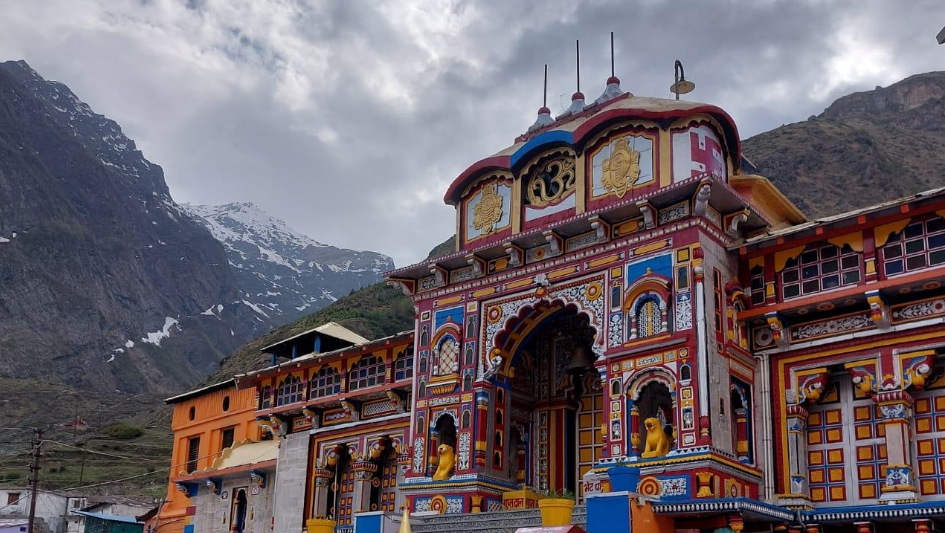
Badrinath Temple is recognized for its colourful facade and traditional temple design. The entrance, decorative details, and prominent structure stand out against the surrounding mountain landscape.
Inside the temple, the principal deity is Lord Badri Narayan. The shrine also contains other sacred images associated with Hindu traditions.
The temple's architecture reflects a long history of religious worship and restoration. Its bright exterior and location beside the Alaknanda River make it a memorable landmark for pilgrims and visitors.
Best Time to Visit Badrinath Temple
Badrinath is a seasonal pilgrimage destination. Heavy snowfall and severe winter conditions mean the temple generally closes during the colder months and reopens in spring, according to the annual temple calendar.
Summer: May to June
Summer is a popular time to visit Badrinath. The weather is generally more suitable for road travel and sightseeing than in winter, although temperatures can still be cool.
This period attracts many pilgrims, particularly during holidays. Book accommodation and transport in advance, and allow extra time for traffic along mountain roads.
Monsoon: July to August
Monsoon brings rainfall to the Himalayan region. Landslides, road damage, and travel disruptions can occur, so road conditions may change quickly.
Check weather forecasts, official advisories, and local road updates before travelling. Follow restrictions issued by local authorities and avoid travelling through unsafe areas.
Autumn: September to October
Autumn can offer clear mountain views and pleasant daytime conditions. Nights may be cold, and the temple's closing date must be considered when planning a visit.
Important: The exact opening and closing dates vary by year. Confirm the official temple schedule before booking your trip.
How to Reach Badrinath Temple
Badrinath is connected to the rest of Uttarakhand by mountain roads. Unlike Kedarnath, visitors can generally reach Badrinath town by road when the route is open and operating normally.
By Air
The nearest major airport is Jolly Grant Airport in Dehradun. From the airport, travellers can arrange road transport toward Rishikesh and continue along the mountain route through towns such as Devprayag, Srinagar, Rudraprayag, Karnaprayag, and Joshimath.
Road travel from Dehradun takes several hours and can take longer depending on traffic, weather, and road conditions.
By Train
Haridwar and Rishikesh are commonly used railway gateways for Badrinath pilgrims. From either location, travellers can continue by bus, shared vehicle, or taxi, depending on availability.
Check train schedules and onward road transport before departure, especially during the busy pilgrimage season.
By Road
Badrinath is accessible by road from Rishikesh and other towns in Uttarakhand when the route is open. The journey passes through scenic mountain valleys and follows sections of the Alaknanda River.
Buses, taxis, shared vehicles, and private cars may be available, depending on the season and local transport arrangements.
Mountain driving requires care. Check road conditions before starting, avoid driving after long periods of fatigue, and allow buffer time for traffic controls or weather-related delays.
Badrinath Temple Darshan and Temple Timings
Temple opening hours, daily rituals, and darshan arrangements are determined by the temple authorities and can vary by season or special occasion.
Before visiting, check the latest official announcements for:
-
Annual opening and closing dates
-
Daily darshan and puja timings
-
Registration or verification requirements, if applicable
-
Special puja booking procedures
-
Crowd-management arrangements and restrictions
During peak pilgrimage dates, waiting times may be longer than expected. Arrive with sufficient time and follow the instructions of temple staff.
Visitors should dress respectfully and observe the rules regarding photography, mobile phones, and conduct inside the temple.
Places to Visit Near Badrinath Temple
The area around Badrinath has several religious, cultural, and natural attractions. Access may depend on weather, road conditions, local permissions, and seasonal operating arrangements.
1. Tapt Kund
Tapt Kund is a natural hot-water spring near Badrinath Temple. It is traditionally associated with purification before darshan, and many pilgrims visit it as part of their pilgrimage.
Follow current local instructions regarding access, bathing arrangements, and safety.
2. Mana Village
Mana is a mountain village near Badrinath, known for its cultural traditions and scenic surroundings. It is often visited by pilgrims interested in local heritage and Himalayan village life.
Road and walking access can vary according to the season and local arrangements.
3. Bhim Pul
Bhim Pul is a natural rock formation over the Saraswati stream near Mana Village. Local tradition connects it with the Mahabharata and the Pandavas.
The site is a popular stop for visitors exploring the Mana area. Follow designated paths and stay away from unsafe edges or fast-flowing water.
4. Vasudhara Falls
Vasudhara Falls is a scenic waterfall in the wider Badrinath region. Reaching it involves a mountain walk, and the route can be physically demanding.
Check current access, weather, and trail conditions before planning this excursion. Carry suitable footwear, water, and warm clothing.
5. Charan Paduka
Charan Paduka is a site traditionally associated with the footprints of Lord Vishnu. The walk can be steep and tiring, so visitors should consider their fitness and the current route conditions before proceeding.
6. Joshimath
Joshimath is an important town on the Badrinath route. It serves as a transport and accommodation hub for pilgrims and visitors exploring nearby Himalayan destinations.
Travellers may also learn about its religious significance and local temples while staying in the area.
Suggested 3-Day Badrinath Itinerary
Day 1: Travel to the Badrinath Region
-
Arrive at Haridwar, Rishikesh, or Dehradun.
-
Begin the road journey toward Joshimath or Badrinath, depending on your transport schedule and road conditions.
-
Check into your accommodation.
-
Rest after the mountain journey and confirm the latest temple timings.
Day 2: Badrinath Temple Darshan and Local Sightseeing
-
Visit Badrinath Temple for darshan according to the current schedule.
-
Explore Tapt Kund, following local safety instructions.
-
Visit Mana Village and Bhim Pul if access and weather permit.
-
Return to your accommodation and prepare for the onward journey.
Day 3: Explore the Region and Return
-
If conditions permit and you are physically prepared, consider a nearby excursion such as Vasudhara Falls or another locally accessible attraction.
-
Alternatively, spend the morning exploring Badrinath town.
-
Begin the return journey with sufficient daylight and travel time.
This itinerary is a flexible suggestion. Road closures, weather conditions, crowds, and individual travel needs may require changes or an additional overnight stop.
Accommodation Near Badrinath Temple
Accommodation is available in Badrinath and towns along the route, though availability varies considerably during the pilgrimage season.
-
Badrinath town: Guesthouses, hotels, and seasonal accommodation may be available close to the temple.
-
Joshimath: A useful base for travellers who want additional accommodation choices or need to break up the journey.
-
Pipalkoti and nearby towns: Alternative overnight stops for those travelling along the mountain route.
Book well in advance during peak dates. Confirm the property's location, cancellation policy, facilities, heating arrangements, and road accessibility.
Food and Facilities
Pilgrims can generally find basic meals, refreshments, and essential services in Badrinath town during the operating season. Options and opening hours can vary with demand and weather.
Carry any essential medication and personal supplies. If you have dietary restrictions, confirm food availability before travelling rather than assuming every option will be available.
Help keep the region clean by disposing of waste responsibly and following local environmental rules.
Essential Travel Tips for Badrinath Yatra
-
Check temple dates: Confirm the annual opening and closing schedule before booking.
-
Monitor road conditions: Landslides, snowfall, and rainfall can affect mountain travel.
-
Carry warm clothing: Even during summer, mornings and evenings can be cold.
-
Book accommodation early: Rooms may become limited during major pilgrimage dates.
-
Travel with buffer time: Avoid tight connections after your planned visit.
-
Carry identification: Keep identity documents and any required registration confirmation accessible.
-
Prepare for altitude: Walk at a comfortable pace and take breaks if needed.
-
Follow local instructions: Respect temple rules, traffic controls, and safety advisories.
-
Check attraction access: Nearby sites may be inaccessible during poor weather or seasonal restrictions.
-
Protect the environment: Avoid littering and respect the fragile Himalayan ecosystem.
Anyone with a medical condition that could be affected by altitude should seek medical advice before travelling. Severe breathlessness, confusion, difficulty walking, or worsening symptoms require urgent medical assistance.
Frequently Asked Questions About Badrinath Temple
1. Where is Badrinath Temple located?
Badrinath Temple is in Badrinath town in the Chamoli district of Uttarakhand, India, in the Garhwal Himalayas.
2. Which deity is worshipped at Badrinath Temple?
The temple is dedicated to Lord Vishnu, worshipped here as Badri Narayan.
3. What is the best time to visit Badrinath Temple?
The main pilgrimage season generally runs from late spring through autumn, depending on the official temple calendar and road conditions. May, June, September, and early October are commonly considered, but weather and crowd levels vary.
4. Can visitors reach Badrinath Temple by car?
Visitors can generally reach Badrinath town by road when the route is open and operating normally. Check current road conditions and local travel advisories before departure.
5. Is registration required for Badrinath Yatra?
Registration or other verification requirements may apply. Check the latest official Uttarakhand pilgrimage instructions before travelling.
6. How many days are needed for Badrinath?
A three-day itinerary can work for a short visit from the region, but the total trip may take longer depending on your starting point, road conditions, sightseeing plans, and transport schedule.
7. Is Badrinath Temple open throughout the year?
No. The temple generally closes during winter because of severe weather. Its annual opening and closing dates are announced according to temple traditions and the official schedule.
Conclusion
Badrinath Temple is one of India's most important pilgrimage destinations, combining deep religious significance with the extraordinary beauty of the Himalayas. From offering prayers to Lord Vishnu to exploring Mana Village and the surrounding mountain scenery, a visit offers a meaningful experience for pilgrims and travellers alike.
Careful planning is essential for a smooth journey. Confirm temple dates, road conditions, accommodation, and current travel instructions before departure. With suitable preparation and respect for the mountain environment, your Badrinath Yatra can become a memorable spiritual journey.